

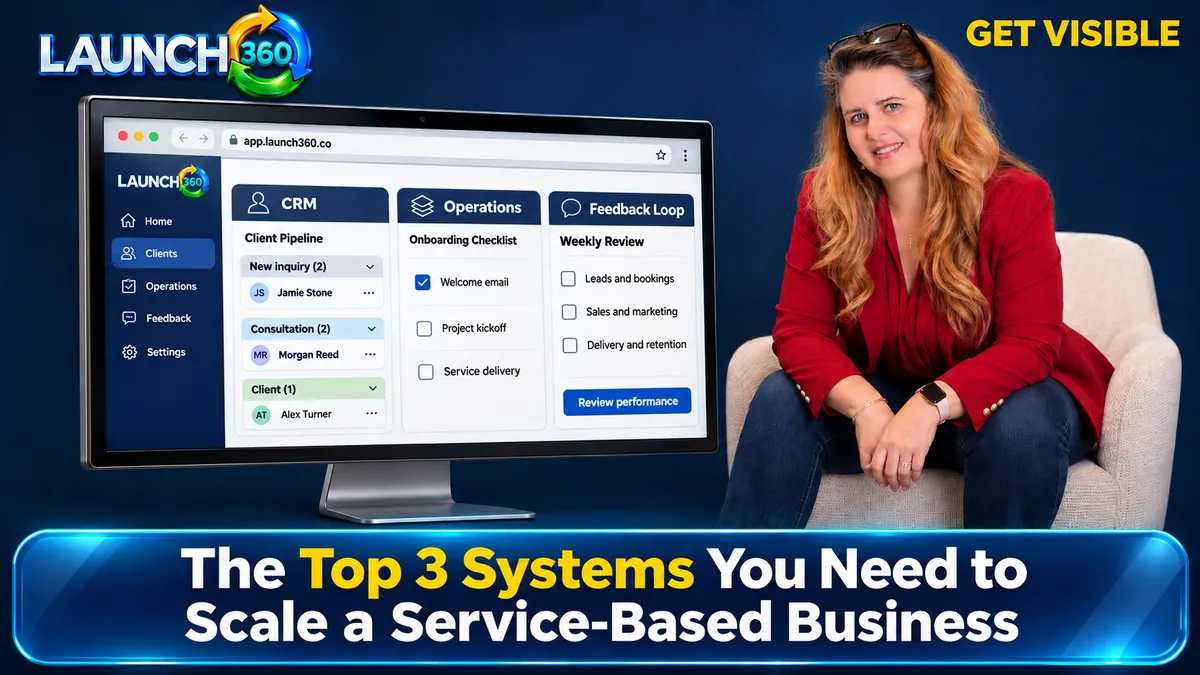
System 1: a CRM that shows the next client action
A useful CRM answers practical questions: who needs a reply, what was promised, which opportunities are active, and who owns the next step? Define a few pipeline stages your team can distinguish consistently. “Contacted” should mean something different from “appointment booked.”
Connect relevant inquiry sources and capture useful context. Avoid collecting fields nobody uses. Set a next action for each active opportunity and review records that have gone quiet. A contact list becomes an operating tool when it helps someone act rather than merely store names.
System 2: operations that make delivery repeatable
Map the route from an accepted proposal to a completed engagement. Identify scope confirmation, scheduling, preparation, service delivery, approval, payment, and any ongoing support. Each step needs an owner and a definition of completion.
For example, a project should not move into production while required materials are missing and nobody knows who is collecting them. A shared checklist can expose that delay early. Templates help repeat good work, but leave room for the judgment and exceptions your service requires.
System 3: a feedback loop that supports decisions
Choose measures connected to a question you can act on. Leads and bookings help examine acquisition; overdue tasks and delivery delays reveal operational strain. Client feedback can explain why customers renew, leave, or ask for changes.
Review the same definitions consistently. Separate a new inquiry from a qualified opportunity and an agreed sale from collected payment. Investigate changes before assigning a cause. A busy week does not prove a campaign worked, and a quiet week does not establish that the entire system failed.
How should the three systems work together?
The sales handoff should carry the agreed scope, key dates, contact, and commitments into delivery. Delivery should send useful information back: readiness, capacity constraints, recurring questions, and appropriate opportunities for future work.
A simple weekly review
- Which client promises are at risk?
- Where are opportunities or projects waiting?
- What does the responsible person need?
- Which one process should change next?
Use this review to remove a specific obstacle. Buying more software will not resolve an undefined handoff.
What should you implement first?
Pick the failure with the clearest cost in time, customer experience, or missed work. If inquiries disappear, begin with capture and CRM ownership. If delivery is inconsistent, standardize onboarding. If nobody can explain performance, agree on a small measurement routine.
Launch360 consulting can help define the process, while connected websites and systems support implementation. Compare current plans against the work you need done, including setup, training, maintenance, and human oversight. A manageable system your team uses is more valuable than an elaborate one they avoid.
Frequently Asked Questions
Can one platform provide all three systems?
One platform can connect much of the information and automation, but your team still needs clear processes, owners, and a review habit. Confirm the tools required for your particular service delivery.
Which tasks should stay with people?
Keep people responsible for judgment, sensitive conversations, scope decisions, exceptions, and quality. Use automation for well-defined routing, reminders, and routine updates.
How do I avoid becoming the bottleneck?
Document standards, delegate decisions within clear limits, and specify when issues need escalation. Review results instead of requiring approval for every routine step.
How do I know a system is working?
Look for fewer missed commitments, clearer status, reliable handoffs, and evidence that the team uses it. Evaluate business outcomes over a meaningful period rather than assuming installation equals success.
Start. Grow. Scale. Amplify.
Build the systems your next stage needs
Review your client journey with Launch360 and choose the first practical improvement to capture, delivery, or decision-making.